This buyer’s guide helps you find the offline capabilities your current device already includes and compares focused devices for a calmer daily routine. Expect clear advice on privacy, reduced interruptions, and simple setups that favor calling, texting, alarms, calendars, notes, timers, and local media playback. We’ll define terms like “dumbphones,” “feature phones,” and minimalist smartphone, …

Learn a few simple keystrokes and you can cut wasted time and keep your hands off the mouse. This short guide shows practical, cross‑platform tricks that help users work faster in documents, email, and browsers. You’ll see how common key combos—like Cmd/Ctrl for copy and paste, Cmd+Space to open Spotlight on Mac, and Cmd/Ctrl+T to …

Smartphones now let many travelers handle basic language needs without a network. Most popular apps let you download language packs that run on your device. Google Translate, for example, supports instant camera text in 94 languages on Android and offers 108–133 languages across platforms. Key benefits include savings on roaming charges, reliable use in subways …

Many professionals spend 60–90 minutes daily on documentation. Without a plan, recordings pile up and become hard to use. This short guide shows a repeatable method to turn raw audio into work-ready items. Speaking captures richer context and fleeting ideas that typing can miss. Use a simple naming rule like “YYMMDD Who/What Type” and a …

Many popular campus apps—like Noonlight, Rave Guardian, and LiveSafe—deliver great features but rely on a network or GPS. When a phone loses signal, those conveniences can disappear. This guide argues for an offline-first approach that boosts resilience. We focus on physical items and simple routines that still work during outages, dead zones, or device loss. …

Keep your commute predictable when signal drops. Many commuters in US cities rely on Apple Maps, Google Maps, and Waze for live traffic. But true offline tools like HERE WeGo, Maps.me, CoPilot GPS, and Sygic store maps on your phone and run on GPS when data fades. This short guide sets expectations for a city …

When networks fail, simple gear can keep you informed and calm. This guide shows how phones, laptops, and radios turn into reliable offline tools for emergencies and daily readiness. You’ll see real hardware like U‑blox modules (SparkFun NEO‑M8U), GlobalSat BU‑353‑S4, RTL‑SDR Blog V4, Hauppauge USB tuners, OP25, and Meshtastic mesh radios. These tools provide GPS, …

As we age, tasks can feel harder because vision, balance, and memory change. Small shifts at home make a big difference. Adding contrast tape to stair edges, securing rugs, and increasing phone font size all reduce risk and boost confidence. This guide gives simple, practical tips to turn a phone light into a reliable safety …

In today’s digital world, keeping your private information safe is more important than ever. This guide dives into the powerful benefits of capturing audio without an internet connection. We will explore how this method protects your sensitive conversations from online threats. Whether you are a journalist on assignment or a professional in a confidential meeting, …
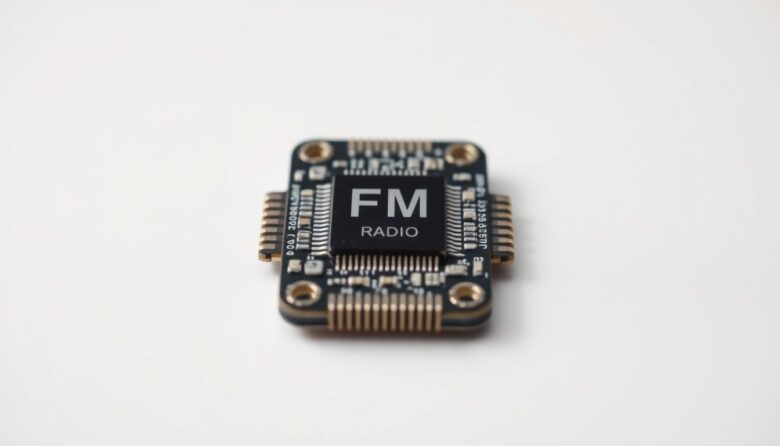
Did you know your modern smartphone has a powerful capability you probably never use? Many devices come with a built-in component that can turn them into a traditional radio. This technology is the same as what you find in cars and home stereos. Yet, it often remains inactive on the phone you carry every day. …