
Use this guide as a practical way to keep your day moving when the web is down. The phrase “digital hacks no internet needed” sums up the approach: prepare, act, and refine. You can still read mail, edit synced documents, and manage calendars with offline modes like Gmail, Google Docs, and Calendar. Desktop apps such …

Your phone hides powerful capabilities beneath the surface. Think of the device like an iceberg: what you see is small compared with what the system can do. This short guide helps users unlock on‑device features that work without extra downloads. iPhone highlights include Back Tap, Measure, Live Text, Magnifier, and built‑in screen capture. Android offers …

This buyer’s guide tests how well a note-taking app captures and retrieves your notes without internet, how fast it opens on your devices, and how reliably it syncs later. We cover familiar options like Apple Notes and Google Keep, plus OneNote, Obsidian, and Evernote so you can see each tool’s offline strengths. Expect practical checks …

Your phone can still be a practical safety tool when networks fail. Many apps keep preloaded guides, checklists, maps, and tools that run without service. Spend about 15 minutes now to set up what matters. Add Medical ID and one ICE contact so first responders see critical medical information without unlocking the device. On iPhone …
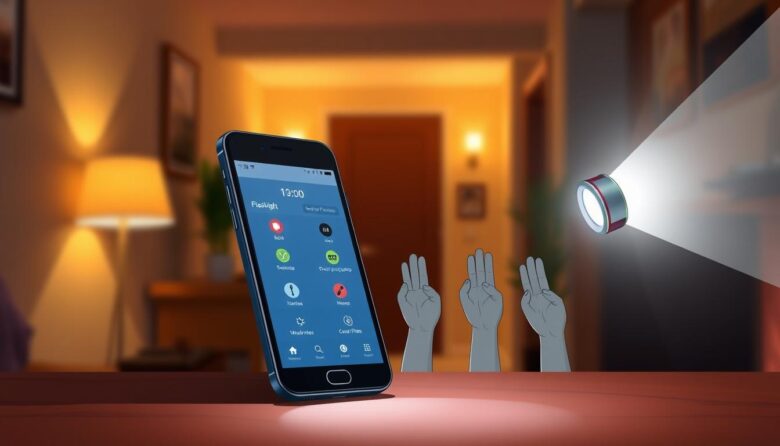
Quick, reliable light can change how you handle small emergencies and everyday tasks. This intro shows how modern phones hide useful torch controls that speed access and improve usability. On iPhone with iOS 18, a new torch control pop-up lets you swipe up and down to set brightness and swipe left and right to change …

Today’s trips lean on a few smart tools that keep plans, maps, and passes in one place. Modern smartphones centralize bookings, navigation, and translations, cutting many old hassles. This guide highlights lesser-known setups and apps that quietly remove friction so a traveler can focus on the experience instead of fixing glitches. We define these options …

When power and cell service fail, staying connected matters today. This short guide shows seven practical ways to keep people informed and in contact during emergencies at home, on the road, or in the backcountry. We cover high-tech options like ham radio (U.S. license required), CB radio, satellite phones, mesh networking devices, shortwave receivers, GPS …
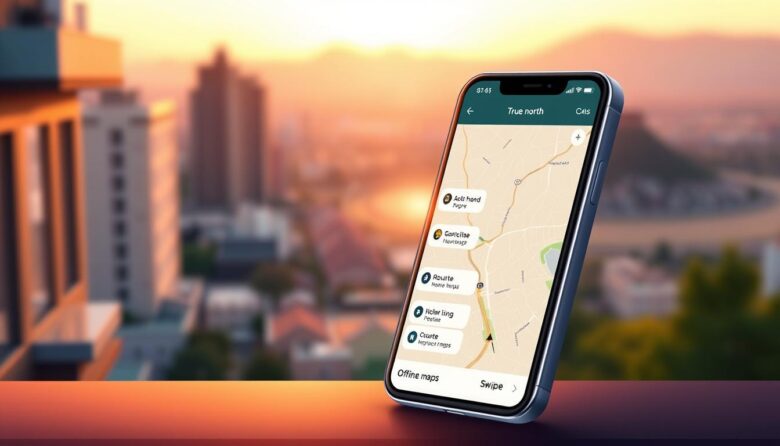
The phone in your pocket already has a capable compass app and sensor suite that works without a network. By using GPS signals and the magnetometer, your device can show heading, azimuth in degrees, and an estimated position in real time. Offline navigation means your phone can guide you when cellular data is out. This …

Many people rely on smart speakers and phones for daily tasks. These systems typically send your commands to the cloud for processing. This creates a major limitation when you lack a stable internet connection. Cloud-dependent processing can fail in remote areas or secure buildings. It also introduces delays and potential privacy concerns as your audio …
Many people today need to handle separate profiles on their phones. You might want to keep work and personal life apart. Or manage different social media pages for various groups. Constantly signing in and out of accounts is a major hassle. It wastes time and can lead to mistakes. Modern technology offers a much smoother …