In today’s fast-paced business world, companies constantly seek the latest technology. Yet a surprising trend is emerging. Simple, straightforward tools often outperform their complex digital counterparts.
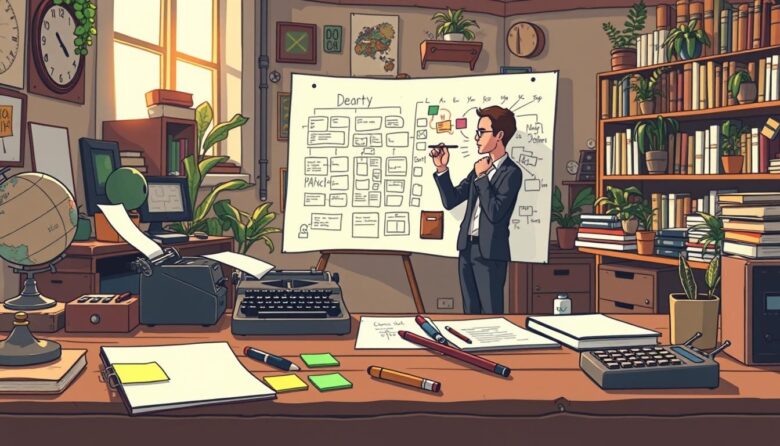
Consider the humble sticky note. It frequently outshines elaborate project management software. Whiteboards can be more effective than sophisticated data dashboards. These straightforward approaches prove that expensive doesn’t always mean better.
Countless digital applications promise to organize our lives. But we overlook basic tools like pen and paper. They don’t need loading times, updates, or passwords. They offer immediate accessibility without technical hurdles.
This isn’t about rejecting progress. It’s about choosing the right tool for each task. Sometimes, the simplest solution provides the most effective results. This approach saves both time and frustration in our daily work.
Over the years, predictions of paperless offices have proven overly optimistic. Many professionals now seek balance between digital and analog tools. They recognize that sophistication sometimes means embracing simplicity.
Exploring Low Tech Digital Alternatives
A fundamental shift in attitude is occurring among former enthusiasts of complex systems. Many people feel that new gadgets, at best, waste a lot of time. At worst, they create distracted and unproductive versions of ourselves.
This skepticism grew during the pandemic. People began longing for slowness and the ability to concentrate they had before constant connectivity.
Understanding Simplicity in a Complex World
Simplicity has become incredibly valuable. The cognitive load of managing apps, passwords, and notifications creates mental exhaustion.
Simple analog methods help alleviate this burden. They offer a path to reduced mental clutter. This approach recognizes that not every problem needs a complex technological solution.
User Benefits of Traditional Methods
Traditional tools provide significant psychological advantages. They promote improved focus and eliminate the temptation to multitask.
Writing by hand or using physical pages enhances memory retention. These methods provide reliability without concerns about updates or connectivity. This deliberate choice helps preserve mental well-being in our modern life.
The Enduring Value of Analog Solutions
Despite widespread assumptions about digital dominance, physical paper maintains crucial advantages in reliability and accessibility. For over fifty years, predictions of paperless offices have proven premature. Paper continues to excel where failure is not an option.
Why Paper Still Reigns Supreme
Research demonstrates paper’s superiority in critical situations. A 2019 emergency medicine study found paper tracking systems processed patients 26% faster during mass casualty incidents. This speed advantage can save lives when every second counts.
NASA astronauts rely on paper checklists during system failures. When International Space Station computers malfunctioned, manual calculations proved more resilient than digital systems. Paper offers instant accessibility without power requirements or technical glitches.
Physical documents provide permanent records immune to deletion or corruption. They cannot be lost due to password issues or format obsolescence. This tangible quality ensures information remains available for years.
Working with paper enhances cognitive performance. Studies show improved comprehension and memory retention compared to screen reading. The spatial organization of physical documents supports better thinking and innovation.
Strategic paper use can actually reduce environmental impact. It eliminates energy demands from multiple electronic devices. Thoughtful application balances sustainability with practical needs.
Pen and Paper: The Original Productivity Tools
The act of putting pen to paper engages our minds in ways that modern devices cannot replicate. These timeless instruments predate all electronic gadgets yet continue to offer unique advantages for creative thinking.
Creativity and Focus Without Distractions
Working with a pen activates fine motor skills that facilitate deep concentration. This physical engagement helps achieve a state of flow where ideas flourish naturally.
Free from notifications and alerts, the writer enters a focused workspace. Julia Cameron’s “morning pages” ritual demonstrates this principle beautifully. Spending time each day writing three pages clears mental clutter effectively.
Everyday Uses and Long-Term Benefits
Many professionals incorporate pen and paper into their daily routines. Journaling, sketching, and handwritten notes provide tangible benefits for memory retention.
The long-term advantages include improved spatial reasoning and patience development. Regular use preserves fine motor control while offering a welcome break from screen time.
Every project can benefit from starting with this simple approach. It allows thinkers to step back and approach challenges with fresh perspective.
Phones and Landlines: Reclaiming Clear Communication
In an era of multifunctional devices, the single-purpose landline phone delivers reliability that smartphones struggle to match. While mobile phones handle countless tasks, their core calling function has suffered.
Superior Call Quality and Reliability
Consumer Reports has stated that voice quality on smartphones “still sucks.” Landlines provide consistently clear audio without compression issues. Traditional copper-wire systems work during power outages without needing battery backup.
This makes them essential during emergencies when mobile networks fail. The dedicated nature of a landline phone eliminates digital distractions. Users can focus entirely on conversations without screen interruptions.
Safety and Consistency in Emergencies
Dialing 911 from a landline automatically shares your exact location with dispatchers. Mobile phones require additional technology to pinpoint callers. This delay could impact emergency response times.
The reliability of traditional phone service offers peace of mind. Families with children or elderly members benefit from this consistent communication method. It serves as one reliable option when other systems fail.
Many households have abandoned landline service, but its advantages remain clear. The sound quality surpasses most modern apps that frequently cut out. Having a backup landline phone ensures communication during critical situations.
Organizing Life Without Complex Apps
Organizing our daily lives doesn’t require expensive subscriptions or complex software. Simple paper-based systems provide reliable organization without technical dependencies.
These methods eliminate the need for constant updates and password management. They offer immediate access to your schedule and tasks.
Physical Planners and Daily Organizers
A basic wire-bound planner costs under $10 annually with no learning curve. Unlike calendar apps that limit functions until upgrade, paper planners provide full features immediately.
Handwriting appointments enhances memory retention through physical engagement. Seeing your entire week at a glance supports better planning than scrolling through screens.
Index Cards for Quick Lists and Reminders
Index cards serve as powerful tools for both personal and professional use. Dr. Atul Gawande’s surgical checklist on physical cards reduced complications by over 35%.
Sales professionals frequently maintain card systems alongside company software. 67% report these manual systems help close more deals through quick access to information.
Comparing Digital Calendars to Paper Records
Paper calendars remain accessible without batteries or internet connection. They cannot be lost due to password issues or format changes.
Physical records provide permanent documentation immune to deletion. This ensures your schedule remains available regardless of device status.
Using paper for your daily list eliminates digital distractions. It keeps focus on tasks rather than notifications from other apps.
Whiteboards and Visual Aids in the Workplace
Team engagement reaches new heights when organizations implement straightforward visual management systems. These physical tools create environments where collaboration flourishes naturally.
Boosting Team Engagement with Visual Tools
Research demonstrates the superiority of physical boards for team productivity. A University of Washington study found software development teams using Kanban boards completed projects 24% faster.
This improvement stems from increased visibility and better engagement. All members see project status simultaneously without logging into complex software.
The Toyota case study reveals compelling evidence. Despite massive automation investments, physical andon boards coordinate production more effectively. Digitization attempts actually decreased output.
Physical boards eliminate technology barriers that complicate digital platforms. Teams avoid learning curves and access issues across different devices.
Brainstorming sessions benefit from spatial organization freedom. The tactile nature of moving cards facilitates better creative output. This approach keeps focus on work rather than interface navigation.
Whiteboards excel in daily stand-up meetings and sprint planning. The collaborative gathering around physical boards generates superior results for complex tasks.
Simple Tools for Personal Communication
The most memorable messages often arrive through channels that require personal effort and attention. While digital platforms offer convenience, they frequently lack the emotional resonance of traditional methods.
Handwritten Letters and Sticky Notes
Email provides free delivery, but handwritten correspondence carries greater significance. A physical letter demonstrates genuine investment in the relationship.
Sticky notes create unavoidable reminders that digital alerts cannot match. Smartphone notifications for everything from breaking news to game updates create distraction fatigue.
Important messages get lost in constant notification streams. Simple paper notes placed strategically ensure critical information receives proper attention.
Maintaining a Personal Touch in a Digital World
Many people now consciously reduce their social media exposure to preserve mental well-being. They recognize that constant connectivity through various media channels creates stress.
Handwritten thank-you notes and birthday cards make lasting impressions in both personal and professional contexts. These tangible expressions show care beyond quick online posts.
Setting boundaries with phone alerts allows deeper focus on meaningful activities. This approach maintains authentic connections in our modern world.
Enhancing Productivity Through Slow-Tech Practices
The pursuit of productivity in our always-connected world has led many to rediscover an unexpected solution: structured work hours. While flexible schedules offer freedom, they often blur the line between professional and personal time. This lack of boundary can lead to working constantly and eventual burnout.
Setting Office Hours and Dedicated Work Times
Establishing clear office hours, even when working remotely, creates a vital framework for the work day. Professionals who “clock out” at a set time report higher focus and better quality output on their tasks. This discipline ensures necessary recovery, making it easier to return to work refreshed the next day.
A key component is the discipline of slowness in communication. Instead of immediate replies, wait 24 hours before answering most email. This practice reduces hasty responses and allows for more thoughtful communication.
Compose your emails carefully to avoid misunderstandings. Schedule specific blocks of time for processing messages rather than constant inbox monitoring. This approach combats the expectation of instant response that modern tech creates, protecting your focus for deep, meaningful work.
Balancing Modern Life with Low-Tech Techniques
Finding equilibrium in our connected world requires intentional strategies that respect both progress and human needs. Many people seek a middle way that preserves mental and physical health while participating in contemporary society.
Mindfulness and Disconnecting to Reconnect
Deliberately stepping back from constant connectivity creates space for deeper connections. This approach has evolved over the years from being seen as backward to recognized as sophisticated.
People implement practical strategies like turning off smartphone notifications. They establish digital detox rituals and create peaceful home environments. These practices help reclaim the ability to concentrate that existed before constant internet demands.
Taking a mindful step back allows professionals to focus better on their job responsibilities. This balanced lifestyle choice optimizes human performance by acknowledging our biological limitations.
Real-World Examples of Low-Tech Success
Walking meetings demonstrate how simple adjustments yield significant benefits. This practice addresses sedentary lifestyle problems while promoting creativity and reducing stress.
Families establish phone-free dinner times to improve relationships. Professionals restore work-life balance through defined office hours. Organizations boost productivity using physical planning boards instead of complex software.
These real-world examples show that balancing modern life doesn’t require abandoning technology. It means using it more intentionally while preserving what matters most.
Conclusion
True innovation sometimes means rediscovering the enduring effectiveness of straightforward methods. The most sophisticated approach to modern challenges involves selecting the right tool for each specific task, regardless of its technological complexity.
This balanced lifestyle choice represents wisdom rather than resistance. It acknowledges that optimizing human performance requires working with our natural capabilities.
Einstein’s principle that things should be as simple as possible guides this approach. For many tasks in our personal and professional life, the optimal solution remains remarkably simple.
Reclaiming control over your technology use leads to greater productivity and satisfaction. Start with one or two changes that address your specific pain points.
This intentional way of working creates space for deeper focus and more meaningful connections. It represents an achievable path to better work and home life in our modern world.